
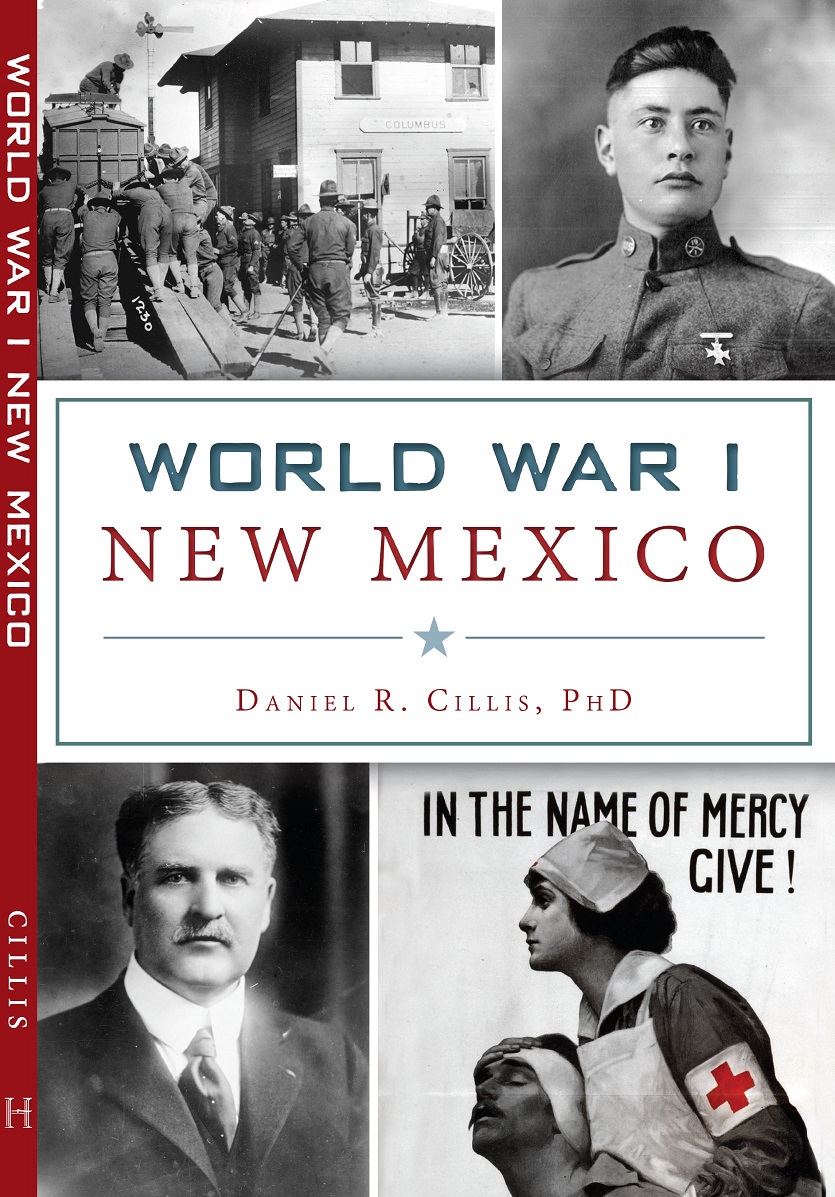
1917, five years after New Mexico statehood, the U.S. entered WW I. More than sixteen thousand New Mexicans joined the army to serve as doughboys in the divisions of the American Expeditionary Force. Civilians provided home front support. Groups like the Knights of Columbus, YMCA, the Salvation Army and Governor W.E. Lindsey’s NM Council of Defense, raised funds. Author Daniel R. Cillis recounts the Land of Enchantment’s influence on WW I from its beginning through to the 1918 Armistice.
Buy Now – https://www.amazon.com/Books-Daniel-R-Cillis-PhD/s?rh=n%3A283155%2Cp_27%3ADaniel+R+Cillis+PhD
Note to Readers
Initially, it was called the Great War. The First World War (1914-1918) informally ended on the eleventh day of the eleventh month of 1918: Armistice Day. That truce, now observed in the U.S. as Veterans Day, has faded from the collective consciousness. All of those soldiers are gone; the war is beyond living memory. Yet, the centenary years of the war remain a significant anniversary of a world-changing event. Milestones can enhance the power of the past in understanding current events. A thoughtful awareness of history can decipher the present and perhaps the future.
Love of New Mexico began when I experienced the culture, climate, natural beauty of the landscapes and the built beauty of the architecture. NM lives up to the words that decorates automobile license plates—the Land of Enchantment.
NM became a state five years before the U.S. entered the war. Although a new state, military service was not a new initiative. New Mexicans served as soldiers in a long list of conflicts including the Civil War and the Spanish-American War.
The Rough Rider Memorial Museum in Las Vegas, NM presents insight into the territory’s military history. The museum tells the stories of NM National Guardsmen who served in Cuba during the Spanish-American War. New Mexico responded to the territorial governor’s request and helped form units for the 1st United States Volunteer Cavalry—Roosevelt’s Rough Riders.
Graves of those who served in the Spanish-American War can be found in the Santa Fe National Cemetery, a burial place for nine Metal of Honor recipients and for many WW I doughboys. Given the WW I population of 350,000, the NM was well above the average of other states in supporting the Great War effort. Daniel R. Cillis
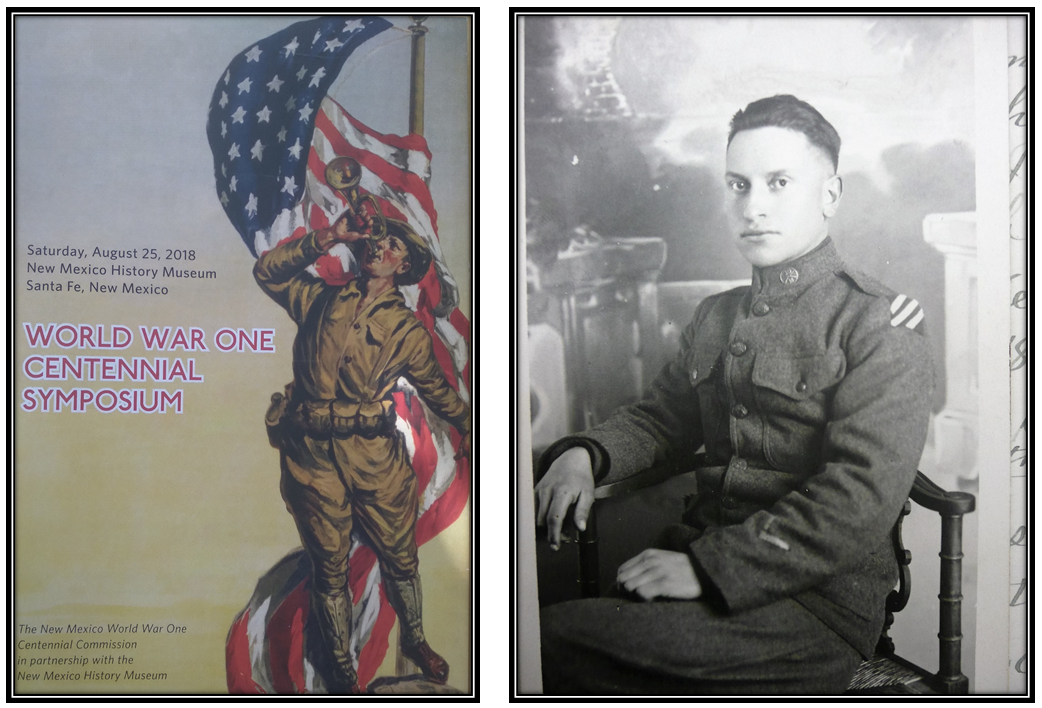
_______________________________________________
REVIEWS
David Holtby 4.0 out of 5 stars World War I at the
Reviewed in the United States on October 24, 2017
World War I New Mexico is the third volume about a state during the Great War (after Delaware and Minnesota) published in The History Press’s seventy-three book series on the Military. The History Press currently has nineteen other series, and all its series and books offer concise accounts of local and regional topics. Dan Cillis’s book ably and admirably fulfills the twofold goal set by The History Press—to provide reliable resources for the research and preservation of local events and, in doing so, to further a community’s understanding of its past and hence of its heritage and identity.
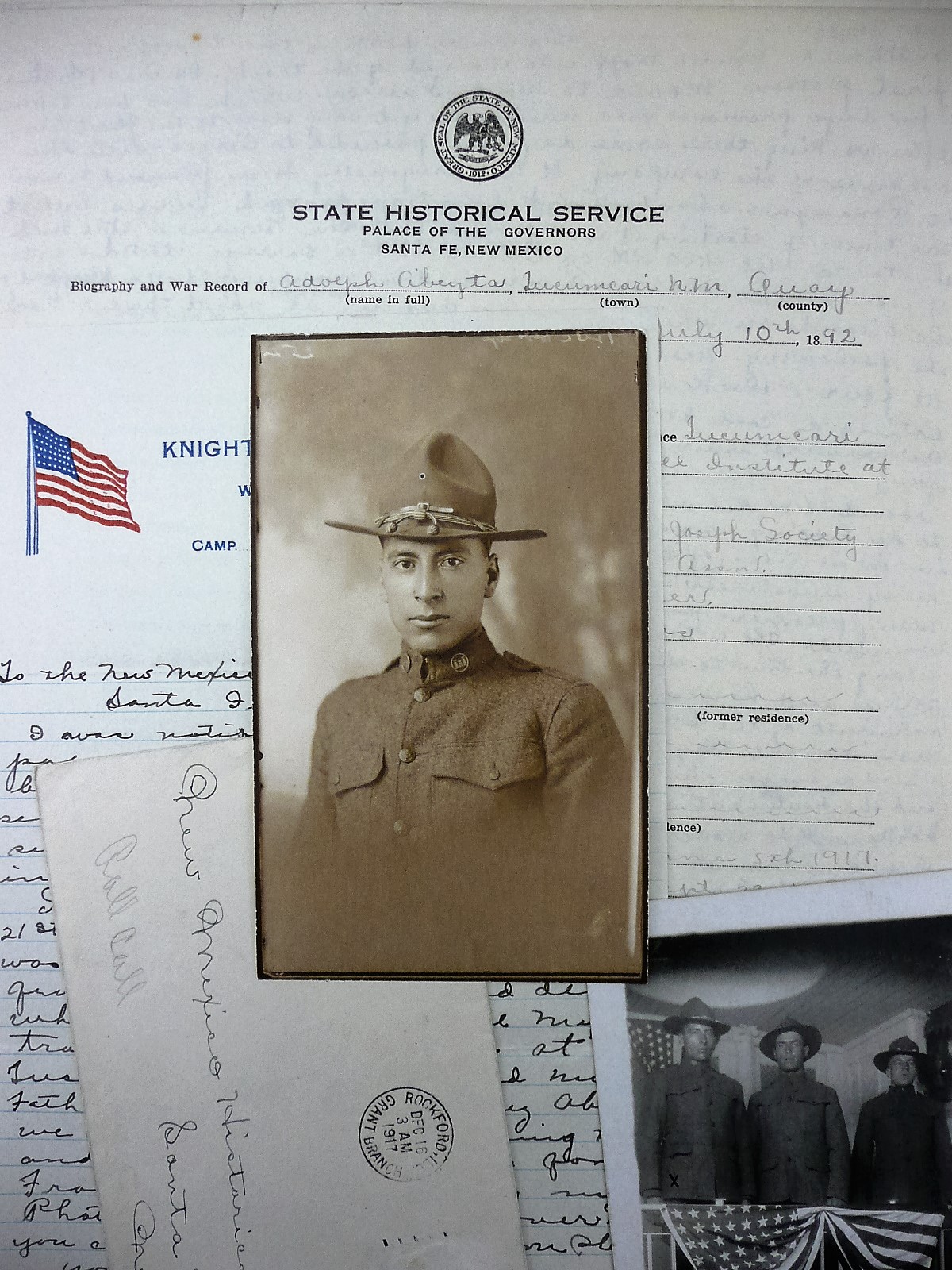
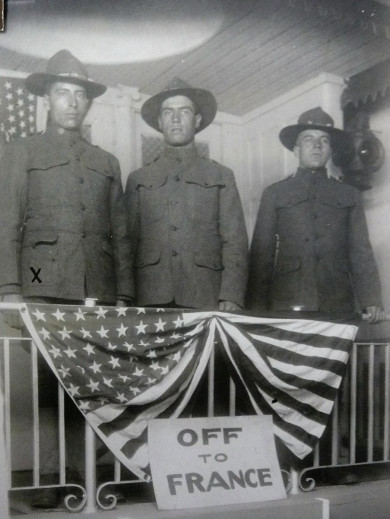
In tackling New Mexico during World War I, Cillis skillfully delimited his account to two topics, with each given about equal coverage within a taut 125 pages: the state’s place in the unfolding of the Great War and New Mexico Doughboys. This latter topic will particularly reward general readers in the state because Cillis selected and crisply presented vignettes for about 80 servicemen, mostly drawn from the army but also included are some in the navy.
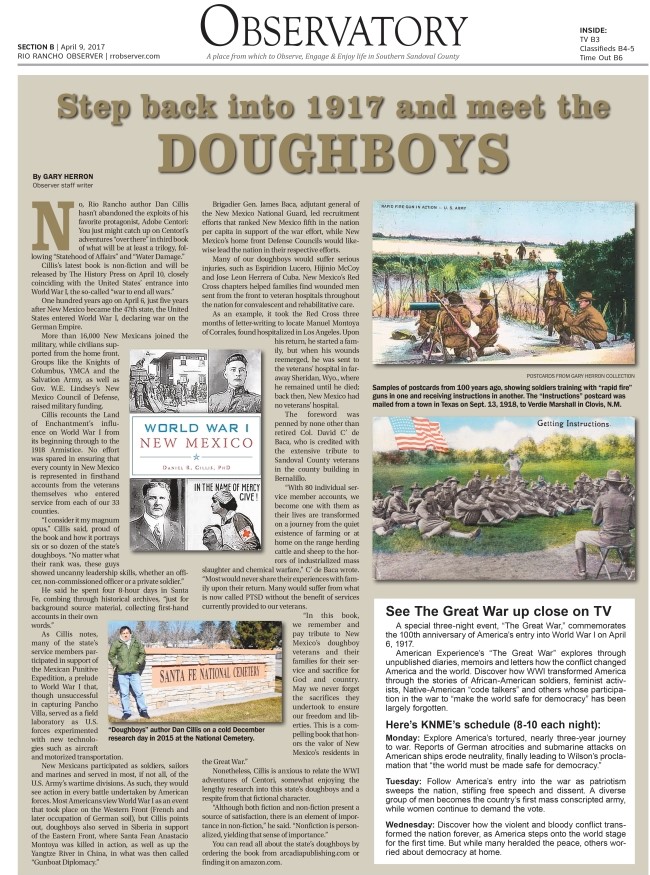
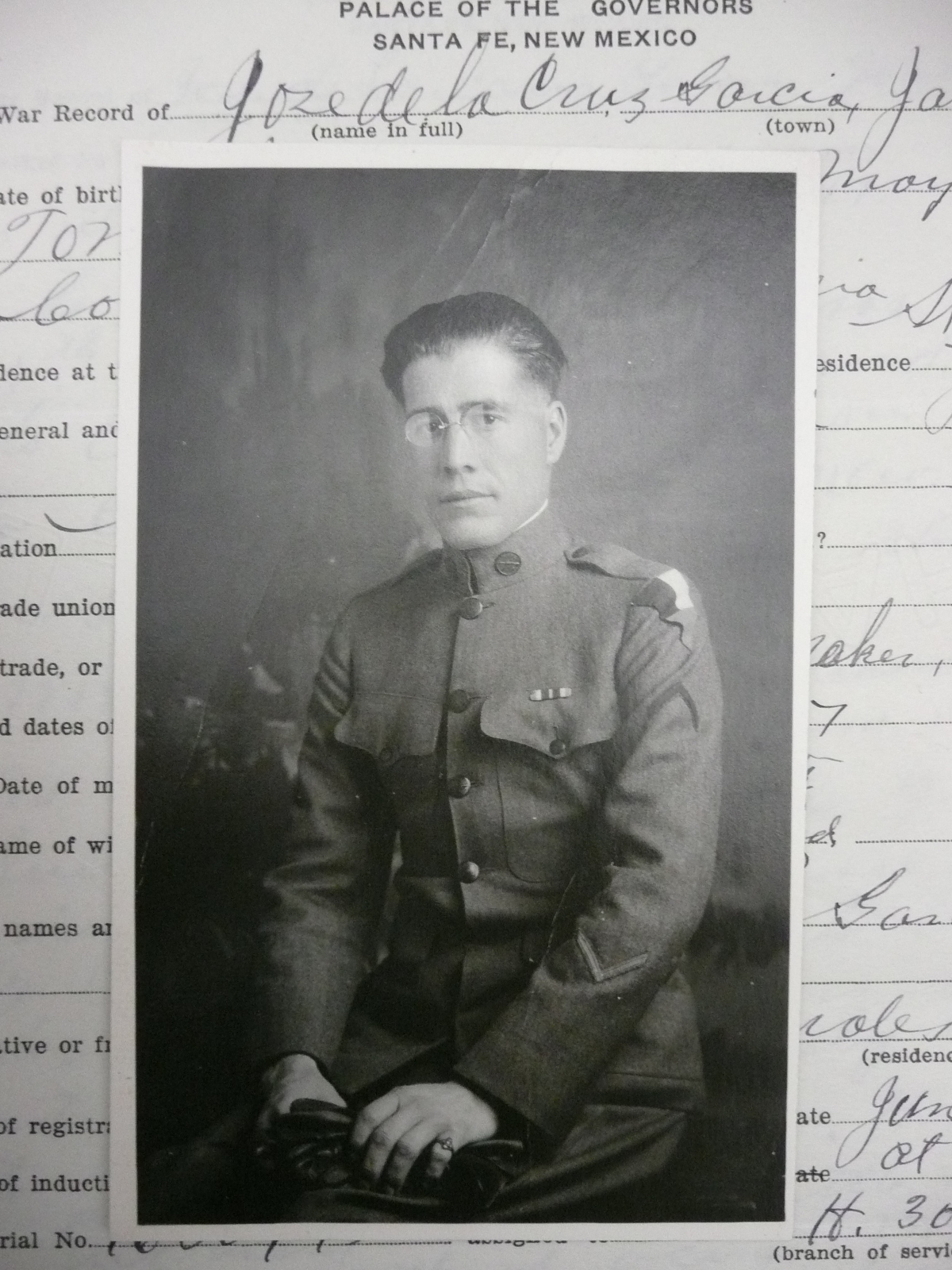
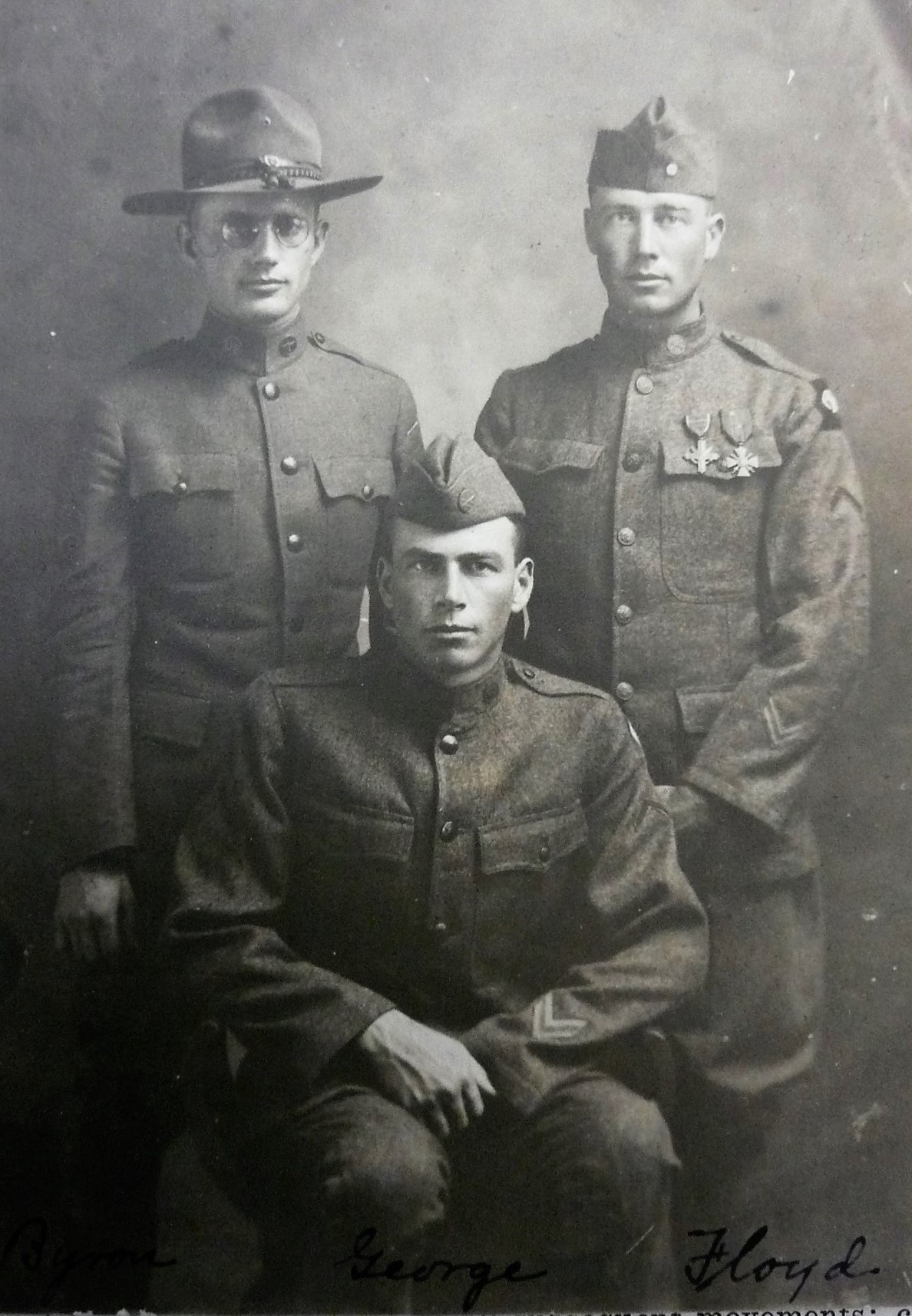
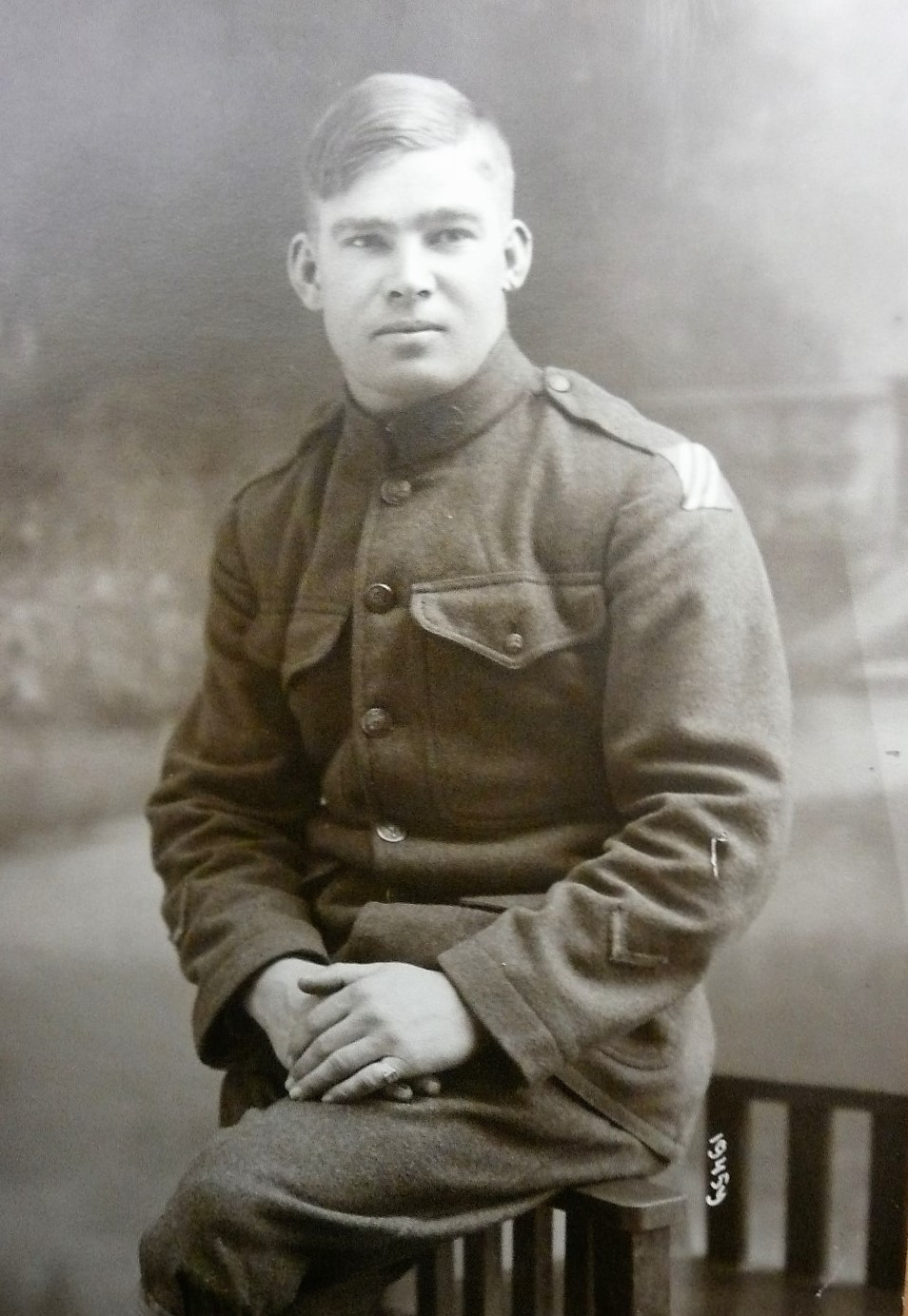
Genealogists will applaud Cillis for opening up a little-known resource held in a Santa Fe archive. He provided a glimpse of eyewitness accounts written by servicemen, which are now preserved among more than 3,400 questionnaires collected from veteranss mainly in 1919-1920. Likewise, the high quality in the reproduction of photographs of New Mexico servicemen makes them exceptional visual documents in their own right and will appeal to all readers.
In writing World War I New Mexico, Dan Cillis carefully prepared vignettes of men whose voices and actions have long been forgotten. He brings them forward for us, or in the apt description from the Foreword by retired Army Colonel David C’ de Baca, “we become one with them as their lives are transformed” by war. Cillis is a skilled writer, and World War I New Mexico is an important resource.
 Daniel R. Cillis, Ph.D.